At vero eos et accusamus et iusto odio digni goiku
ssimos ducimus qui blanditiis praese. Ntium voluum deleniti atque corrupti quos.
Belts, chains, and rollers play integral roles in the functioning of various systems within Mercedes vehicles, contributing to the overall performance, reliability, and efficiency of the luxury automobiles produced by the renowned German automaker. These components are crucial in transmitting power, ensuring smooth operation, and maintaining precise synchronization within the complex machinery of Mercedes vehicles.
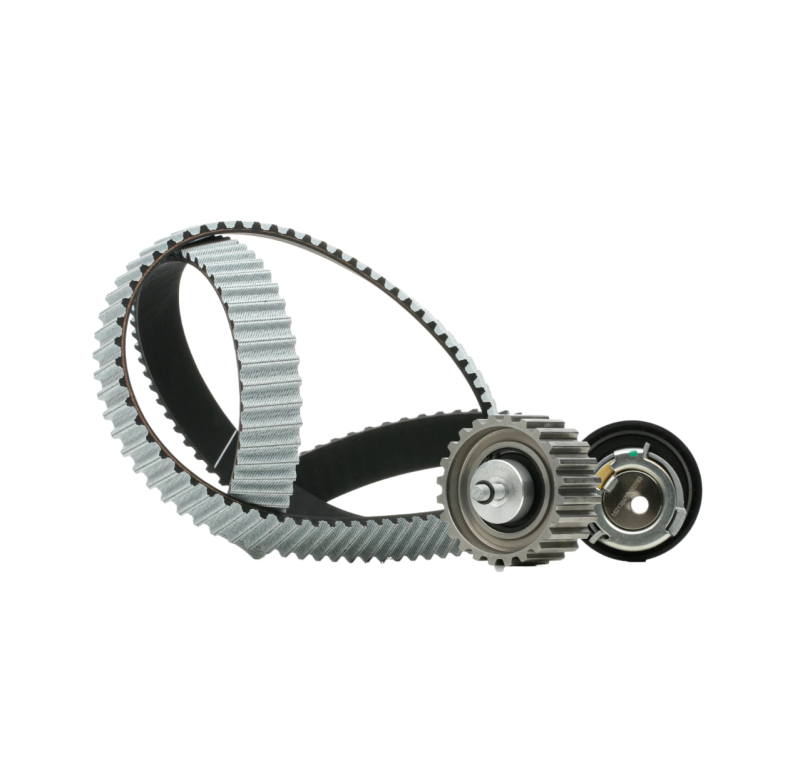
Timing Belts: One of the key components in the engine of a Mercedes is the timing belt. The timing belt is a reinforced rubber belt with teeth on the inner surface, and its primary function is to synchronize the rotation of the engine’s camshaft and crankshaft. This synchronization is crucial for the precise opening and closing of the engine’s valves in coordination with the movement of the pistons. In Mercedes vehicles, the timing belt is often made of high-quality materials to withstand the demanding conditions of high-performance engines.
Mercedes has utilized timing belts in some of its engine models, although in recent years, many modern engines have transitioned to using timing chains. Timing belts need to be replaced at specific intervals, typically outlined in the vehicle’s maintenance schedule. This proactive approach is essential to prevent potential engine damage that can occur if the timing belt fails.
Timing Chains: In certain Mercedes engines, timing chains have become more prevalent due to their durability and longer lifespan compared to timing belts. Timing chains are metal chains that connect the camshaft and crankshaft, performing the same function as timing belts by ensuring proper valve timing. Mercedes employs high-quality materials, such as hardened steel, for their timing chains to ensure longevity and reliability.
Timing chains are known for their robustness and are less prone to stretching or breaking compared to timing belts. This contributes to reduced maintenance requirements and longer service intervals, enhancing the overall ownership experience for Mercedes drivers. Additionally, the use of timing chains aligns with Mercedes’ commitment to engineering vehicles with advanced and durable components.
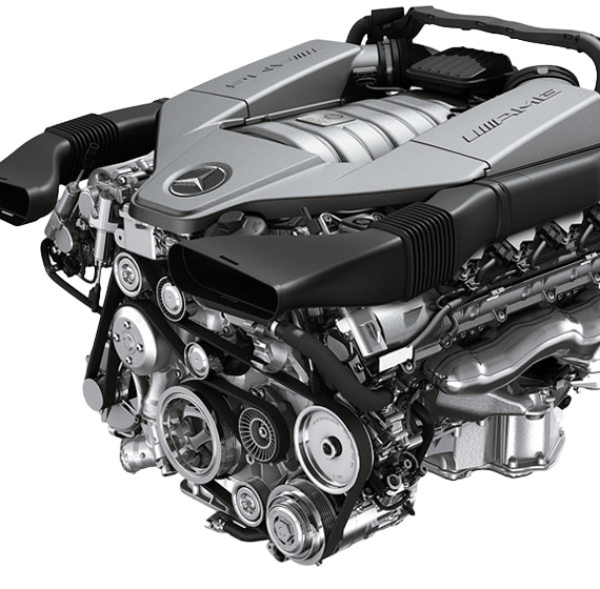
Drive Belts: Drive belts, also known as serpentine belts, play a crucial role in powering various auxiliary components in a Mercedes vehicle. These belts are responsible for transferring power from the engine’s crankshaft to components such as the alternator, air conditioning compressor, power steering pump, and more. The integration of high-quality drive belts ensures the efficient operation of these auxiliary systems, contributing to the overall performance and comfort of the vehicle.
Mercedes designs its drive belts to withstand the rigorous demands of high-performance driving while maintaining flexibility and reliability. Regular inspection and replacement of drive belts are essential to prevent wear and potential failures that could lead to the loss of power to critical systems.
Rollers and Tensioners: Rollers and tensioners are components that work in conjunction with belts and chains to maintain proper tension and alignment. Tensioners are designed to keep the appropriate amount of tension on belts and chains, preventing slack that could lead to misalignment or slippage. Rollers, on the other hand, guide the belts and chains along their paths, ensuring smooth operation and minimizing wear.
In Mercedes vehicles, high-quality rollers and tensioners are crucial for the longevity and reliability of the entire system. Precision engineering and durable materials are employed to withstand the demanding conditions of the engine compartment. Proper tension and alignment contribute to the efficient and quiet operation of the belts and chains, enhancing the driving experience for Mercedes owners.
Roller Chains and Camshaft Adjusters: Some Mercedes engines utilize roller chains, which are similar to timing chains but incorporate rollers between the links to reduce friction and improve efficiency. Roller chains are employed in various engine systems, including the variable valve timing (VVT) mechanism. Camshaft adjusters, driven by roller chains, play a critical role in adjusting the timing of the camshaft to optimize engine performance and fuel efficiency.
The use of roller chains and camshaft adjusters reflects Mercedes’ commitment to incorporating advanced technologies that improve engine efficiency and performance. These components contribute to the precise control of valve timing, enhancing power delivery and fuel economy.
In conclusion, belts, chains, rollers, and associated components in Mercedes vehicles are meticulously engineered to meet the high standards of performance, reliability, and durability expected from this luxury automotive brand. Whether it’s the synchronization of engine components through timing belts or chains, the efficient operation of auxiliary systems with drive belts, or the precise control of valve timing with roller chains and camshaft adjusters, each component plays a crucial role in delivering a superior driving experience for Mercedes owners. The use of high-quality materials, advanced engineering techniques, and a commitment to innovation are evident in these components, reflecting Mercedes’ dedication to producing vehicles that embody luxury, performance, and technological excellence.
Belts,Chains,Rollers
Serpentine belt Poly v-belt kit Tensioner pulley, v-ribbed belt Belt tensioner, v-ribbed belt Deflection / guide pulley, v-ribbed belt Timing chain kit Timing chain Timing chain tensioner Drive chain Timing chain guides Crankshaft pulley Pulley bolt Water pump